
Nissan CVT Transmission Class Action: What You Need to Know
Nissan CVT Transmission Class Action: What You Need to Know owning a car comes with its challenges, and one of those is ensuring the vehicle’s transmission runs smoothly. Continuous Variable Transmissions (CVT) have become more common in modern cars for their efficiency and smoother driving experience. Nissan, a prominent automobile manufacturer, has incorporated CVT systems in many of their models. However, issues have arisen over the years, as a significant number of Nissan vehicle owners experienced premature transmission failures and other operational problems.
These concerns led to the filing of a Nissan CVT transmission class action lawsuit. Nissan owners argue that the company sold vehicles with defective CVT systems and failed to provide adequate solutions. This guide will take a closer look at the Nissan CVT transmission class action, explaining the key aspects of the case, the affected models, and how consumers can protect their interests.
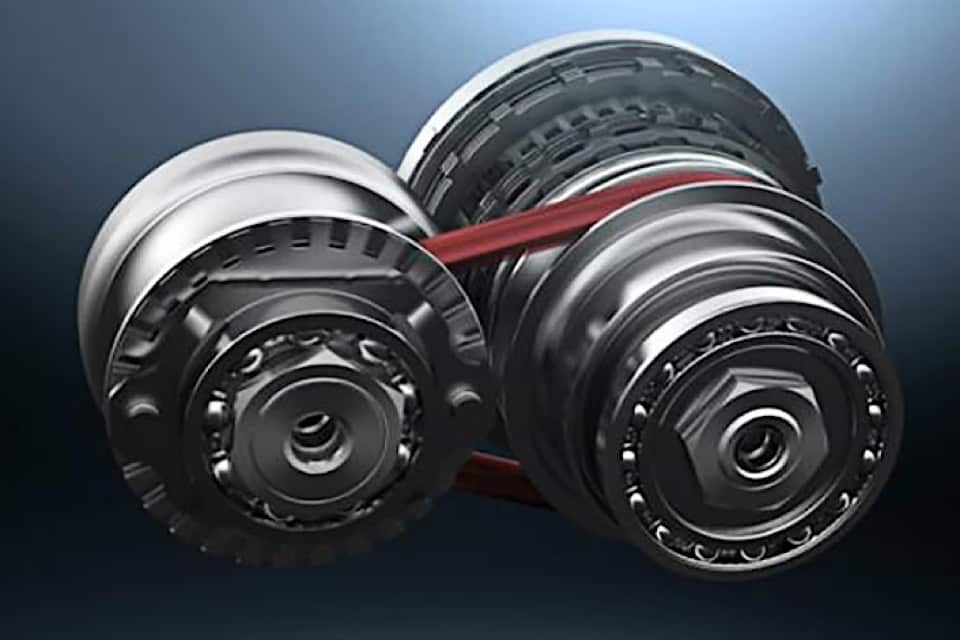
What is a CVT Transmission?
Before diving into the specifics of the Nissan CVT transmission class action, it’s important to understand how a CVT works.
A Continuous Variable Transmission (CVT) differs from traditional automatic transmissions because it does not have a fixed set of gears. Instead, CVTs use a system of pulleys and belts to offer an infinite number of gear ratios. This design allows the engine to stay within its optimal power range, providing smoother acceleration and better fuel efficiency.
Nissan incorporated CVT technology into many of their models, including the Altima, Sentra, Rogue, and Versa. However, despite their advantages, CVTs can have significant drawbacks when they are not designed or manufactured properly, which is what led to the Nissan CVT transmission class action lawsuit.
The Emergence of the CVT Problem
Many Nissan owners began reporting that their vehicles’ CVT systems were prone to failure after only a few years of use. Common issues included jerky acceleration, delayed shifting, and complete transmission failure. These problems led to frustration and financial hardship for many car owners who had to pay for costly repairs or replacements.
At first, Nissan issued recalls and extended warranties for certain models, hoping to address the issue. Unfortunately, the problems persisted for many customers, and the company’s responses often fell short. As a result, owners filed lawsuits, with many joining the Nissan CVT transmission class action.
The Nissan CVT Transmission Class Action Lawsuit
The first major Nissan CVT transmission class action lawsuit emerged in 2013. In this case, plaintiffs accused Nissan of selling vehicles with defective CVT systems, which led to transmission failure, shuddering, and other issues. The lawsuit focused on models manufactured between 2012 and 2017, including the Nissan Altima, Sentra, Rogue, and Versa.
Owners of these vehicles experienced significant problems, including:
- Shuddering or jerky acceleration
- Loss of power while driving or stalling
- Overheating and premature transmission failure
- Unusual noises coming from the transmission
- Delayed or unresponsive shifting
The plaintiffs claimed that Nissan was aware of the defects but failed to take appropriate actions to fix them. Instead of addressing the problem, Nissan continued to sell these vehicles, leading to further dissatisfaction and legal claims.
Affected Nissan Models
The Nissan CVT transmission class action targets specific models that suffered from CVT-related issues. Some of the most commonly reported vehicles affected by these transmission problems include:
- Nissan Altima (2013-2017)
- Nissan Sentra (2012-2017)
- Nissan Rogue (2014-2017)
- Nissan Versa (2012-2017)
- Nissan Juke (2011-2017)
Owners of these vehicles reported everything from sudden acceleration failures to complete transmission breakdowns. Many of these problems began occurring after the vehicles had been driven for several years or after reaching higher mileage levels.
Allegations in the Lawsuit
The plaintiffs in the Nissan CVT transmission class action raised several serious allegations against Nissan:
- Defective Transmission Design: Plaintiffs argue that Nissan’s CVT systems were poorly designed, making them more prone to failure, overheating, and other mechanical issues.
- Failure to Disclose: Nissan did not adequately inform consumers about the risks associated with the CVT transmission, the plaintiffs claim. They allege that the company hid or downplayed the possibility of failure, leading customers to make purchases without understanding the potential consequences.
- Deceptive Marketing: The lawsuit suggests that Nissan engaged in deceptive advertising, promoting the affected vehicles as reliable and durable, even though the company knew about the transmission issues.
- Inadequate Warranty Coverage: While Nissan extended warranties for certain models with defective CVTs, plaintiffs argue that the warranty coverage was insufficient. Many consumers had to pay for repairs or replacements out of pocket, despite being told their vehicles would be covered.
- Financial Losses: Plaintiffs claim that the transmission issues caused significant financial losses. These losses stemmed from repair costs, the depreciation of their vehicles, and the inconvenience of driving cars that frequently malfunctioned.
Legal Progress
The Nissan CVT transmission class action lawsuit has made significant progress over the years. While the case has seen multiple motions and legal hurdles, Nissan eventually agreed to a settlement in 2016. This settlement aimed to compensate affected consumers for their losses, covering the cost of repairs or offering cash payouts to those whose vehicles had experienced transmission failure.
However, the settlement has not resolved all issues. Some owners believe that the compensation provided was inadequate for the full extent of their losses, leading to further legal actions. As of now, the legal proceedings continue, with some plaintiffs continuing to fight for better compensation and more robust solutions from Nissan.
What Consumers Can Do
If you own a Nissan vehicle that may be part of the Nissan CVT transmission class action, there are several steps you can take to protect your rights and seek compensation.
- Check for Recalls and Warranty Information: Visit the official Nissan website or contact your dealership to determine whether your vehicle is covered under any recalls or extended warranties. Many Nissan vehicles with defective CVTs have received warranty extensions for transmission repairs.
- File a Claim: If your vehicle is part of the class action, you may be eligible to receive compensation. This could include reimbursement for repairs or a settlement payout. Consult with a lawyer or class action expert to determine your eligibility.
- Document the Issues: Keep detailed records of any problems with your CVT transmission, including service records, repair receipts, and any communication with Nissan or your dealership. These documents can serve as valuable evidence if you pursue a claim.
- Seek Legal Counsel: If you are unsure about your options, or if you need help navigating the claims process, consider consulting a lawyer who specializes in class action lawsuits or consumer rights.
The Nissan CVT transmission class action has exposed significant flaws in the CVT systems used in several Nissan models. Despite some efforts by Nissan to address the issue through recalls and extended warranties, many consumers feel that the company has not done enough to compensate those affected. If you own an affected vehicle, it is essential to stay informed about your legal rights and potential compensation options. By understanding the ongoing legal proceedings and taking appropriate action, you can protect your interests and seek the justice you deserve.