
Common Car Detailing Myths (And What Actually Works)
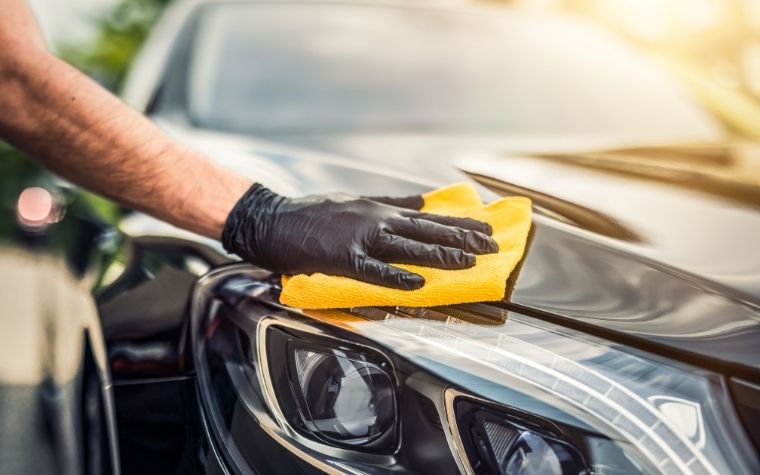
Car detailing is often surrounded by half-truths, outdated advice and well-meaning tips that simply don’t hold up anymore. With so much information online, it’s easy for car owners to fall into habits that waste time, damage paintwork, or deliver disappointing results. Understanding what actually works can help you protect your vehicle’s appearance and value for years to come. Whether you detail your car yourself or rely on professionals like Detail Central, separating fact from fiction is the first step toward smarter car care.
Myth 1: Dishwashing Liquid is Fine for Washing Cars
This is one of the most common and damaging myths. Dishwashing liquid is designed to cut through heavy grease on plates, not protect automotive paint. While it may make your car look clean initially, it strips away protective waxes and sealants, leaving the paint exposed to UV damage and contaminants. What actually works: A dedicated car wash shampoo that is pH-balanced and formulated to lift dirt safely without removing protective layers.
Myth 2: Automatic Car Washes are Completely Safe
Modern automatic car washes are convenient, but convenience often comes at a cost. Many still use stiff brushes or recycled water containing grit, which can introduce fine scratches and swirl marks over time. What actually works: Hand washing using the two-bucket method (one for soapy water, one for rinsing) and a quality microfibre wash mitt significantly reduces the risk of paint damage.
Myth 3: Waxing is Only for Shine
Wax certainly enhances gloss, but its primary role is protection. Too many car owners see waxing as cosmetic rather than functional, leading them to skip it altogether. What actually works: Regular waxing or applying a paint sealant creates a barrier against UV rays, bird droppings, tree sap and road grime, making ongoing maintenance much easier.
Myth 4: Ceramic Coating Means You’ll Never Need to Wash Again
Ceramic coatings are often marketed as a “set and forget” solution, which leads to unrealistic expectations. While they offer excellent protection and hydrophobic properties, they are not magic shields. What actually works: Ceramic coatings reduce how often you need to wash your car and make cleaning easier, but regular maintenance washes are still essential to preserve the coating’s performance.
Myth 5: Any Cloth Will Do for Drying
Using old towels, T-shirts or paper towels might seem harmless, but these materials can be surprisingly abrasive. Over time, they contribute to micro-scratches that dull your paintwork. What actually works: High-quality microfibre drying towels designed specifically for automotive use absorb more water and minimise friction against the surface.
Myth 6: Interior Detailing is Just About Vacuuming
Many people assume interior detailing stops at a quick vacuum and wipe-down. In reality, this approach leaves behind bacteria, odours and embedded grime in fabrics and surfaces. What actually works: Proper interior detailing includes steam cleaning, leather conditioning, fabric protection and careful treatment of dashboards and trims using products designed for automotive interiors.
Myth 7: New Cars Don’t Need Detailing
It’s easy to believe that a brand-new car doesn’t need detailing, but vehicles often arrive with transport contaminants, light paint imperfections and minimal factory protection. What actually works: Detailing a new car early helps lock in its finish, correct minor flaws and establish a strong protective foundation from day one.
Car detailing isn’t about shortcuts or old-school tricks — it’s about using the right products, techniques and maintenance routines
By letting go of common myths and focusing on proven methods, you can keep your vehicle looking better for longer while protecting its resale value. Whether you’re maintaining a daily driver or a prized weekend car, understanding what actually works makes all the difference in achieving professional-level results.