
Benefits of Modern Construction Methods for Religious Structures
Source: https://www.freepik.com/
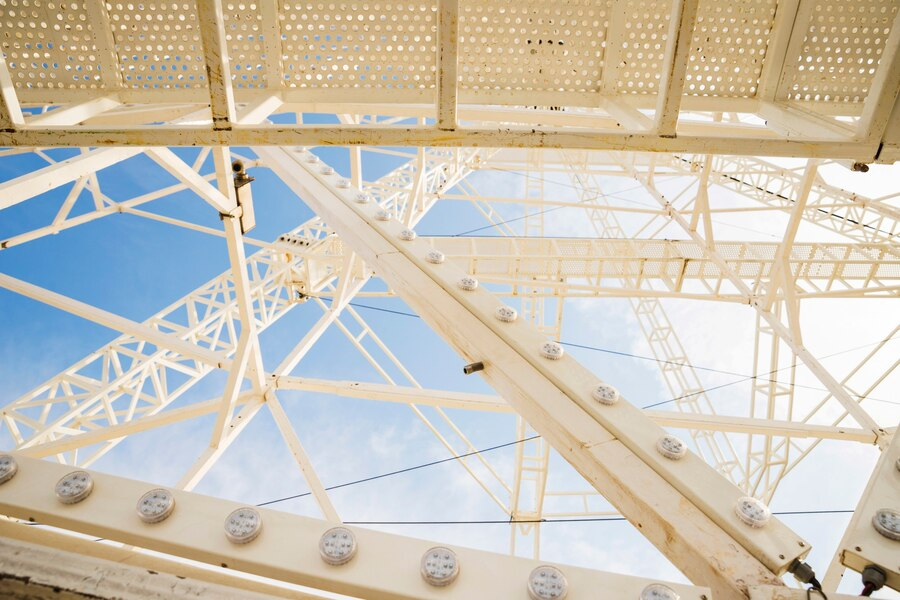
The construction of religious structures has evolved significantly over the years. Modern construction methods offer numerous benefits, making the process faster, more efficient, and cost-effective. Steel prefab church buildings and crane leasing are at the forefront of these advancements. These innovations provide a blend of durability, flexibility, and affordability that traditional methods often lack.
Enhanced Durability and Strength
Steel prefab church buildings are known for their durability and strength. Unlike traditional materials, steel can withstand harsh weather conditions, including strong winds, heavy rains, and even earthquakes. This makes steel an ideal choice for religious structures that need to stand the test of time.
Steel also resists pests and mold, reducing maintenance costs over the years. The robust nature of steel ensures that the building remains secure and safe for worshippers, providing peace of mind to the community.
Speed and Efficiency in Construction
One of the most significant advantages of steel prefab church buildings is the speed of construction. Prefabricated components are manufactured off-site, reducing the time spent on-site. This process minimizes disruptions and allows for faster project completion.
Crane leasing plays a crucial role in this efficiency. Cranes enable the swift assembly of prefabricated components, lifting heavy sections into place with precision. This reduces labor costs and ensures that the construction process adheres to tight schedules.
Cost-Effectiveness
Modern construction methods are highly cost-effective. Steel prefab church buildings typically require less labor and time, significantly cutting down on expenses. The prefabrication process ensures that components are produced accurately, minimizing waste and reducing costs.
Crane leasing also contributes to cost savings. So, crane leasing rather than purchasing them lowers initial capital outlay. Additionally, crane operators can complete tasks quickly, further reducing labor costs and project timelines.
Flexibility in Design
Steel prefab church buildings offer unparalleled flexibility in design. Architects can create complex and aesthetically pleasing structures without the limitations posed by traditional materials. Steel’s versatility allows for unique shapes and expansive spaces, providing architects with the freedom to innovate.
Moreover, prefabrication enables customization. Religious structures can be tailored to meet specific needs, incorporating elements that reflect the community’s cultural and spiritual values. This adaptability ensures that each building is unique and resonates with its intended purpose.
Environmental Sustainability
Modern construction methods prioritize environmental sustainability. Steel is a recyclable material, making it an eco-friendly choice for religious structures. The use of steel reduces the demand for natural resources, contributing to conservation efforts.
The precision of prefabrication also minimizes waste. Components are manufactured with exact specifications, ensuring that materials are used efficiently. This reduces the environmental impact of construction projects, aligning with the growing emphasis on sustainability in the industry.
Safety and Compliance
Safety is paramount in the construction of religious structures. Steel prefab church buildings adhere to stringent safety standards, ensuring that they are structurally sound and secure. The use of high-quality materials and advanced manufacturing techniques enhances the overall safety of the building.
Crane leasing also enhances safety. Professional crane operators are trained to handle complex lifting tasks, reducing the risk of accidents on-site. The use of cranes ensures that heavy components are moved safely and efficiently, maintaining a secure working environment.
Conclusion
Modern construction methods, including steel prefab church buildings and crane leasing, offer numerous benefits for the construction of religious structures. These methods enhance durability, speed, cost-effectiveness, flexibility, sustainability, and safety. By embracing these innovations, religious communities can create beautiful, enduring, and functional spaces for worship and community activities. The future of religious structure construction is bright, with modern methods paving the way for more efficient and sustainable building practices.